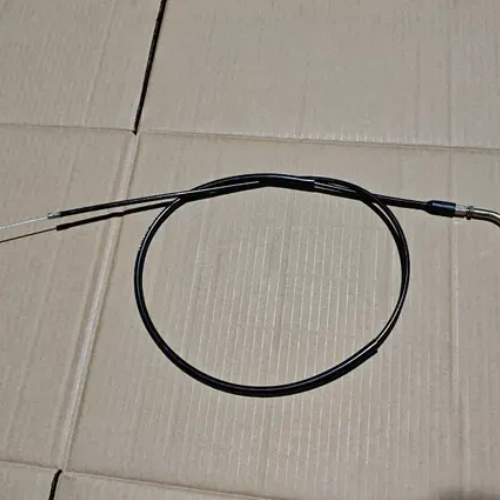
The throttle cable is a crucial component in many vehicles and machines, playing a vital role in controlling the engine speed and performance. This article aims to provide a comprehensive understanding of the throttle cable, explaining its function, the components involved, maintenance, and how it works. Whether you’re an automotive enthusiast or a professional mechanic, knowing the importance of the throttle cable can help you maintain or troubleshoot your vehicle effectively.
1. What is a Throttle Cable?
A throttle cable is a mechanical link that connects the accelerator pedal to the throttle body in an internal combustion engine. It serves the purpose of controlling the amount of air and fuel mixture that enters the engine, which in turn regulates the engine's power and speed. The throttle cable transmits the driver's input from the accelerator pedal to the throttle valve, opening or closing it to control the air intake, thus controlling the engine's speed.
Throttle cables are widely used in older vehicles, motorcycles, boats, and various types of machinery. In modern vehicles, many throttle cables have been replaced by electronic throttle control systems, but the basic concept remains the same.
Key Functions of a Throttle Cable:
Engine Speed Control: Controls the throttle valve to adjust the engine's power and speed.
Regulating Airflow: Manages the amount of air entering the engine for efficient combustion.
Driver Control: Provides a direct connection between the driver’s accelerator input and engine speed.
2. How Does a Throttle Cable Work?
The throttle cable works through a simple mechanical system. When you press down on the accelerator pedal, the movement is transferred to the throttle cable. The throttle cable is typically housed in a durable sheath and runs from the accelerator pedal to the throttle body.
Here’s how it functions in detail:
Pedal Movement: Pressing the accelerator pedal pulls the throttle cable, which in turn opens the throttle valve. The throttle valve controls the amount of air that enters the engine.
Throttle Valve Adjustment: The cable causes the throttle valve to open wider, allowing more air into the engine. More air leads to more fuel being injected into the combustion chamber, increasing engine power and speed.
Return Mechanism: A spring mechanism returns the throttle valve to its closed position when the pedal is released, reducing airflow and engine speed.
In older vehicles, this system is completely mechanical, with no electronic interference. However, modern vehicles often feature drive-by-wire systems, where the cable is replaced by electronic sensors and motors.
3. Components of a Throttle Cable System
A throttle cable system consists of several key components that work together to ensure smooth engine operation:
Component | Description |
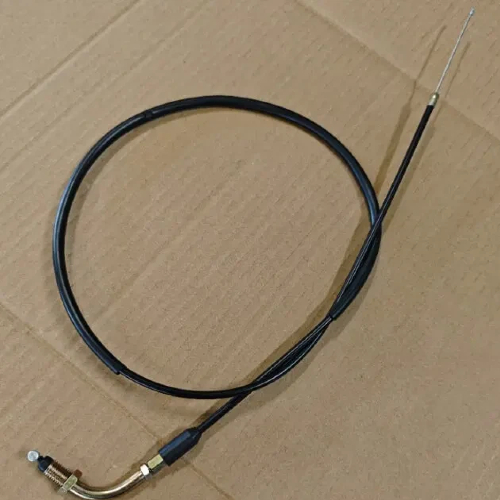
Throttle Cable | A flexible wire housed in a durable sheath, connecting the accelerator pedal to the throttle body. |
Throttle Body | A device located in the intake manifold that controls the air entering the engine. It has a valve that opens and closes. |
Accelerator Pedal | The pedal inside the vehicle that the driver presses to control the vehicle’s speed. It is linked to the throttle cable. |
Housing/Sheath | A protective cover that encloses the throttle cable, providing guidance and preventing wear. |
Return Spring | A spring mechanism that pulls the throttle valve back into its closed position when the accelerator pedal is released. |
How These Components Work Together:
When the accelerator pedal is pressed, it moves the throttle cable.
The cable moves the throttle valve in the throttle body.
The throttle body allows more air into the engine, increasing engine power and speed.
The return spring ensures the valve closes when the pedal is released, reducing engine speed.
4. Types of Throttle Cables
Throttle cables come in different types, depending on the application and the vehicle system. The main distinction is between manual and electronic throttle control.
Manual Throttle Cable:
Traditional Design: Used in older vehicles and motorcycles.
Mechanical Linkage: The accelerator pedal directly controls the throttle body via the throttle cable.
Simple Operation: No electronic sensors or actuators involved.
Electronic Throttle Control (ETC):
Fly-by-Wire: Replaces the physical throttle cable with electronic sensors and motors.
Modern Technology: Allows for smoother throttle response and better fuel efficiency.
Reduced Maintenance: Since there are no mechanical parts, there’s less wear and tear.
5. Importance of Throttle Cable Maintenance
Throttle cables are subject to wear and tear due to constant friction and movement. Regular maintenance is essential to ensure smooth operation and avoid sudden failure.
Why Throttle Cable Maintenance is Crucial:
Prevents Throttle Malfunction: A damaged or frayed throttle cable can cause the throttle valve to stick, leading to poor engine performance.
Ensures Smooth Pedal Response: A well-maintained throttle cable provides a smooth and responsive pedal feel.
Avoids Safety Issues: A faulty throttle cable can cause the engine to stall or fail to respond, which could be dangerous, especially in high-speed driving situations.
Signs of a Throttle Cable Problem:
Sticky Pedal: If the accelerator pedal feels stiff or sticky, the throttle cable might be damaged or lack lubrication.
Unresponsive Engine: A throttle cable issue may result in delayed engine acceleration or deceleration.
Erratic Idling: Inconsistent engine idling speeds could indicate a problem with the throttle cable or throttle valve.
6. Common Throttle Cable Issues and Solutions
Over time, the throttle cable can experience several issues that affect its functionality. Here are some of the most common problems and how to solve them:
Problem | Solution |
Fraying Cable | Replace the damaged section or the entire throttle cable to ensure safe operation. |
Sticking Pedal | Clean and lubricate the throttle cable and pedal mechanism to reduce friction. |
Cable Stretching | Adjust the cable tension or replace the cable if it has stretched beyond its functional limit. |
Corrosion | Use anti-corrosive lubricant and regularly inspect the cable to prevent rust buildup. |
How to Identify Throttle Cable Issues:
Inspect the cable for visible signs of wear, such as fraying or rust.
Test the accelerator pedal for smoothness and response.
Check for any unusual sounds, such as squeaking or grinding, when pressing the pedal.
7. Replacing a Throttle Cable
If the throttle cable is damaged or worn out, it is essential to replace it. Here’s a step-by-step guide on how to replace a throttle cable:
1. Preparation:
Park the vehicle in a safe area and turn off the engine.
Ensure you have the correct replacement throttle cable for your vehicle model.
2. Remove the Old Cable:
Disconnect the throttle cable from the accelerator pedal and throttle body.
Remove any protective covers or components that block access to the cable.
3. Install the New Cable:
Install the new cable by threading it through the housing and connecting it to the pedal and throttle body.
Ensure the cable is properly tensioned and that the pedal moves smoothly.
4. Test the New Cable:
After installation, test the pedal and throttle body to ensure the cable works correctly.
8. Modern Alternatives to Throttle Cables
In modern vehicles, many throttle cables have been replaced by drive-by-wire systems. These systems use electronic sensors and actuators to control the throttle valve, eliminating the need for a physical throttle cable.
Benefits of Electronic Throttle Control:
Precise Throttle Control: Provides smoother acceleration and deceleration, and is more responsive than a traditional throttle cable.
Reduced Maintenance: There’s no physical cable to wear out, reducing maintenance needs.
Improved Fuel Efficiency: Electronic throttle control systems can adjust the throttle more precisely, improving fuel economy.
9. Conclusion
The throttle cable is an essential component for controlling engine speed and ensuring a vehicle’s smooth operation. Regular maintenance and timely replacement of a faulty throttle cable can prevent performance issues and maintain safety on the road. As automotive technology advances, traditional throttle cables are being replaced by more sophisticated electronic systems. However, understanding the fundamentals of throttle cable functionality remains crucial for both vehicle owners and mechanics.
At Chongqing Jinboss Import & Export Co., Ltd., we specialize in providing high-quality automotive components, including throttle cables and related products. Whether you’re in need of replacements or looking to upgrade your vehicle’s performance, our extensive range of products is designed to meet the needs of customers worldwide. Our team is always ready to assist with technical support and product inquiries, ensuring that you find the right solution for your vehicle. Contact us today to learn more about how we can help enhance your vehicle’s performance and reliability.
10. FAQ
Q1: How often should I replace my throttle cable?
The throttle cable should be replaced when it shows visible signs of wear, such as fraying or rust. It is important to inspect the cable regularly during vehicle maintenance.
Q2: Can a faulty throttle cable affect my vehicle's acceleration?
Yes, a malfunctioning throttle cable can lead to delayed or poor acceleration, making it difficult to control engine speed.
Q3: How do I know if my throttle cable needs lubrication?
If the accelerator pedal feels stiff or sticky, it may be time to lubricate the throttle cable. Regular lubrication can prevent wear and tear.
Q4: What are the symptoms of a stretched or frayed throttle cable?
A stretched or frayed throttle cable may result in an unresponsive throttle, sticky pedal, or erratic engine behavior, such as inconsistent acceleration.
Q5: Can I drive with a broken throttle cable?
It’s not recommended to drive with a broken throttle cable. A malfunctioning throttle cable can cause the engine to stall or fail to respond, posing a safety risk.


