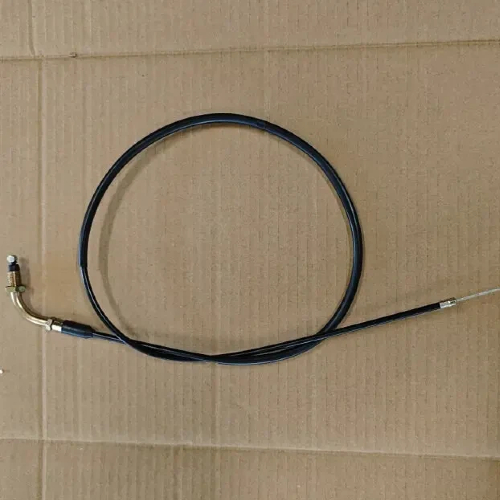
The throttle cable is a crucial component that plays an essential role in regulating engine performance. It connects the accelerator pedal to the throttle body, managing the airflow into the engine and, consequently, the vehicle's acceleration. When the throttle cable malfunctions or needs to be replaced, choosing the correct replacement part is vital to ensure smooth acceleration and maintain vehicle performance.
This article will provide a comprehensive guide on how to identify the right throttle cable for your vehicle, covering everything from the basics of throttle cables to the key factors you need to consider when selecting one. We will also explore how to measure and identify the correct specifications, the importance of material choices, and how to find a reputable supplier. Finally, we will answer common questions that many vehicle owners and mechanics have regarding throttle cable replacement.
1. Understanding the Throttle Cable
A throttle cable is a mechanical link that connects the accelerator pedal to the throttle body in an internal combustion engine. The throttle body regulates the amount of air entering the engine, and this airflow is critical in determining the engine's power output. By pulling on the throttle cable, the accelerator pedal instructs the throttle valve to open, allowing more air into the engine. This process is what controls the speed of the vehicle.
The throttle cable serves as a direct interface between the driver’s input on the accelerator and the vehicle's engine performance. In older vehicles, throttle cables were purely mechanical, while modern vehicles often use drive-by-wire systems, which have largely replaced physical cables with electronic sensors and motors.
Key Functions of a Throttle Cable:
Engine Speed Control: The throttle cable adjusts the throttle valve, which in turn regulates the amount of air entering the engine, controlling its speed and power.
Direct Pedal Response: The throttle cable translates the physical movement of the accelerator pedal into the opening and closing of the throttle body valve.
Fuel and Air Mixture Regulation: By controlling airflow, the throttle cable helps regulate the fuel-to-air ratio in the engine, optimizing combustion and performance.
2. Key Factors to Consider When Choosing a Throttle Cable
When selecting a throttle cable for your vehicle, there are several important factors to consider. Choosing the right throttle cable ensures optimal engine performance and prevents issues such as delayed acceleration or unresponsive engine behavior. Let’s break down the main factors to consider:
Key Factors to Consider When Choosing a Throttle Cable
Factor | Description |
Vehicle Make and Model | The throttle cable must match the specific make and model of your vehicle. Different vehicles may require different cable lengths and connector types. |
Throttle Cable Length | Measure the current throttle cable or consult vehicle specifications to determine the correct length for your vehicle’s system. |
Cable Type | Identify whether your vehicle uses a mechanical throttle cable or an electronic throttle control system. |
Material and Durability | Choose a throttle cable made from durable materials, such as stainless steel, to ensure longevity and smooth performance. |
Fitment and Compatibility | Ensure the throttle cable’s connectors and housing are compatible with your vehicle’s throttle body and accelerator pedal. |
3. How to Measure and Identify the Right Throttle Cable
Selecting the right throttle cable begins with measuring and identifying the correct specifications for your vehicle. Whether you are replacing a faulty cable or upgrading to a new one, these steps will help you ensure a proper fit.
Measuring Throttle Cable Length and Fitment:
1. Remove the Old Cable (If Replacing):
Start by safely detaching the old throttle cable from both the accelerator pedal and throttle body.
Measure the length of the cable and the distance it covers to determine the length of the new cable.
2. Measure the Cable Housing:
The housing is the outer sheath that protects the throttle cable. Measure the length of the housing to ensure the new cable will fit properly within the space available in the vehicle.
3. Check Connector Type:
Examine the connectors on both ends of the old throttle cable. The connectors must match the new cable to ensure compatibility with the throttle body and accelerator pedal.
4. Ensure Smooth Pedal Movement:
When choosing a new throttle cable, ensure that it offers a smooth pedal response. This will help ensure proper vehicle acceleration and deceleration.
Identifying Key Components:
When choosing a throttle cable, it’s also important to understand the components involved:
Throttle Cable: The main wire that connects the pedal to the throttle body.
Throttle Body: The valve that controls the flow of air into the engine.
Accelerator Pedal: The part of the vehicle that the driver presses to control engine speed.
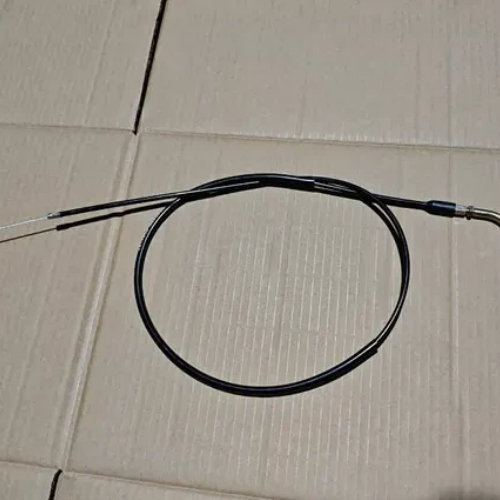
Housing/Sheath: A protective covering for the throttle cable that reduces friction and wear.
4. Common Throttle Cable Specifications
Throttle cables are designed with specific specifications that match different vehicle systems. Here’s a breakdown of the most common features and what to look for:
Specification | Description |
Cable Diameter | Throttle cables come in different thicknesses, usually measured in millimeters. The diameter should match the original cable to prevent binding or poor response. |
Material (Stainless Steel) | Most throttle cables are made from stainless steel for durability. Some cables may also have a plastic coating for smooth movement. |
Strength and Tensile Rating | The strength of the throttle cable is essential for proper performance. The cable should be rated to withstand the pressure exerted during pedal movement. |
Connector Type | Ensure the connectors on both ends of the cable are compatible with your vehicle’s throttle body and accelerator pedal. |
Housing Length and Type | The housing protects the cable and must be the correct length and material to fit within your vehicle’s system. |
Cable Types:
Mechanical Cables: These are traditional cables that require no electronic system. They are commonly found in older vehicles and motorcycles.
Electronic Throttle Control (ETC): Many modern vehicles now use electronic throttle control systems that replace the mechanical cable with an electronic signal. Ensure compatibility with your vehicle's system when choosing a cable.
5. Where to Find the Right Throttle Cable
Once you’ve identified the specifications for your throttle cable, the next step is to find a reliable supplier or manufacturer.
Authorized Dealers and Manufacturers:
Contact authorized dealerships or manufacturers who specialize in automotive parts. They often provide cables tailored to specific vehicle makes and models. For example, at Chongqing Jinboss Import & Export Co., Ltd., we offer a wide range of throttle cables for various vehicles and can guide you in selecting the correct part based on your needs.
Online Platforms and Catalogs:
Many online platforms and automotive parts websites allow you to search for throttle cables based on your vehicle's make, model, and year. These platforms provide comprehensive catalogs and specifications, making it easier to find the right part.
Local Auto Parts Stores:
Local auto parts stores may also stock throttle cables. It's important to bring in your vehicle's make and model details so the store staff can help you select the correct part.
6. Importance of Professional Assistance
While replacing a throttle cable can be a DIY job, it's essential to consult a professional mechanic or technician if you’re unsure. Proper installation of a throttle cable is vital to ensure the safety and performance of your vehicle.
Why Professional Help is Important:
Correct Installation: A professional mechanic will ensure the throttle cable is installed correctly, preventing issues like improper throttle response.
Expertise: Mechanics can help troubleshoot other potential issues that may not be immediately obvious.
Time Savings: A professional can replace the throttle cable quickly and efficiently, saving you time and effort.
Importance of Proper Installation:
A correctly installed throttle cable ensures proper engine control and prevents unnecessary wear. Professional installation guarantees that the cable is adjusted to the proper tension, ensuring smooth pedal movement.
7. Conclusion
Selecting the right throttle cable for your vehicle is crucial for ensuring smooth acceleration, engine performance, and safety. By considering factors like cable length, material, and vehicle compatibility, vehicle owners can make informed decisions when replacing their throttle cables. It’s also important to consult a reputable supplier, such as Chongqing Jinboss Import & Export Co., Ltd., and seek professional assistance when necessary to ensure proper installation and functionality.
8. FAQ
Q1: How do I know if my throttle cable is bad?
A bad throttle cable often manifests as a sticky or stiff pedal, unresponsive acceleration, or erratic idle speeds. These issues indicate that the cable may be worn or damaged.
Q2: Can I use a universal throttle cable for my vehicle?
It’s best to use a throttle cable specifically designed for your vehicle's make and model. Universal throttle cables may not provide the same performance or longevity as a part designed for your specific vehicle.
Q3: How do I measure the correct length for my throttle cable?
Measure the current throttle cable from end to end. Be sure to include any connectors or bends in the cable path to ensure proper fitment.
Q4: What happens if I install the wrong throttle cable?
Installing the wrong throttle cable can result in poor pedal response, delayed acceleration, or even throttle failure. Always verify the specifications before replacing the cable.
Q5: Can I install a throttle cable myself?
Replacing a throttle cable is a manageable task for those with mechanical experience. However, if you are unsure about the installation process, it’s advisable to consult a professional mechanic.


