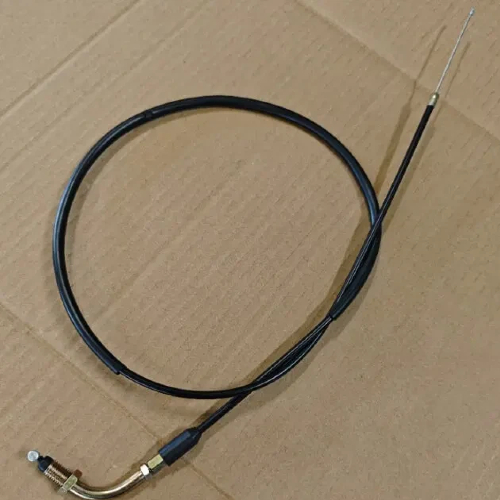
The throttle cable is an essential component in many vehicles, playing a crucial role in controlling the speed and overall performance of the engine. It acts as the mechanical link between the accelerator pedal and the throttle body, regulating the amount of air entering the engine. When the throttle cable malfunctions, it can lead to a range of performance issues that affect the overall driving experience. This article aims to explore the various symptoms and causes of a faulty throttle cable, the potential impact on vehicle performance, and the importance of maintenance and timely replacement. By understanding these aspects, vehicle owners and mechanics can ensure the safe and smooth operation of their vehicles.
1. Understanding the Throttle Cable
The throttle cable is a mechanical component designed to control engine speed by regulating airflow. It connects the accelerator pedal to the throttle body, which in turn controls the throttle valve. When the accelerator pedal is pressed, the throttle cable pulls on the throttle body, causing the valve to open and allowing air to enter the engine. This airflow, combined with fuel, determines the engine's power and speed.
Key Functions of a Throttle Cable:
Engine Speed Control: It regulates the amount of air entering the engine, thereby controlling the engine’s speed and power output.
Smooth Pedal Operation: The throttle cable ensures smooth, responsive movement of the accelerator pedal.
Safety and Performance: A properly functioning throttle cable is critical for safe vehicle operation, especially in controlling acceleration and deceleration.
2. Signs of a Bad Throttle Cable
A throttle cable is subjected to significant wear over time, which can lead to various symptoms indicating that the cable is malfunctioning. Recognizing these signs early can prevent further damage and ensure the vehicle operates safely.
Common Signs of a Faulty Throttle Cable:
Symptom | Description |
Sticky or Hard Pedal | The accelerator pedal feels stiff, hard to press, or does not return smoothly. |
Unresponsive Engine | The vehicle struggles to accelerate, or there is a delay when pressing the pedal. |
Erratic Idle Speed | The engine idle speed fluctuates or becomes unstable, indicating improper throttle control. |
Delayed Acceleration | The vehicle accelerates slowly or takes longer to respond when the pedal is pressed. |
Squeaky or Noisy Pedal | Unusual sounds, like squeaking, may come from the accelerator pedal, indicating friction or damage in the cable. |
These signs are usually caused by wear, dirt accumulation, corrosion, or stretching of the throttle cable, all of which prevent it from functioning correctly.
3. Causes of Throttle Cable Malfunction
Several factors can contribute to the malfunction of a throttle cable. Understanding the causes of throttle cable issues can help prevent premature wear and ensure the vehicle performs optimally.
Factors Leading to Throttle Cable Failure:
1. Wear and Tear:
Over time, the throttle cable can stretch, fray, or lose its tension, making it less effective in transferring movement from the pedal to the throttle body.
Continuous use causes friction inside the housing, which eventually leads to weakening of the cable.
2. Corrosion and Dirt Buildup:
Moisture, road salts, and dirt can enter the throttle cable housing, leading to corrosion of the cable and the components it interacts with.
Corrosion prevents smooth movement, causing the pedal to become sticky or unresponsive.
3. Improper Installation:
If the throttle cable is not installed correctly, it can cause stress on the cable and its components, leading to premature failure.
Misalignment can also lead to improper throttle valve control, affecting engine performance.
4. Environmental Factors:
Extreme temperatures, such as those encountered in very cold or hot weather, can affect the flexibility and integrity of the throttle cable.
Exposure to chemicals, oils, or harsh environmental conditions can also degrade the cable’s performance.
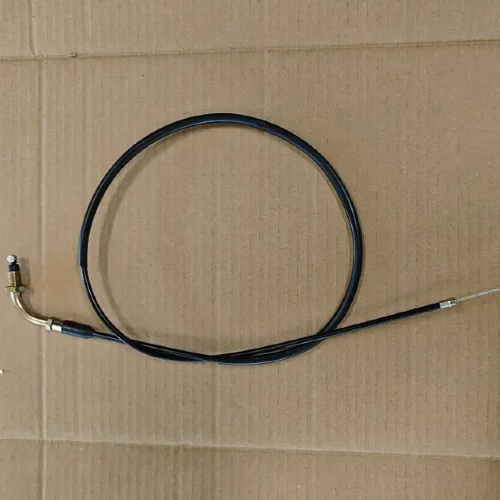
4. Effects on Vehicle Performance
A malfunctioning throttle cable can have significant effects on your vehicle’s performance, ranging from subtle changes to more noticeable issues that affect driving safety.
How a Bad Throttle Cable Affects Vehicle Performance:
1. Inconsistent Engine Acceleration:
A bad throttle cable can cause delayed or jerky acceleration. As the cable fails to transmit the proper signal to the throttle body, the engine may struggle to increase speed when the accelerator is pressed.
2. Unresponsive or Hesitant Pedal:
If the cable is worn or damaged, the pedal may become stiff or unresponsive. This issue can make it difficult to accelerate smoothly, leading to a frustrating driving experience.
3. Poor Engine Control:
A malfunctioning throttle cable can result in poor engine control, especially when decelerating or maintaining a steady speed. This can be particularly problematic in stop-and-go traffic, where consistent throttle input is crucial.
4. Safety Hazards:
In extreme cases, a faulty throttle cable can cause complete failure of the accelerator pedal, rendering the vehicle unable to accelerate or decelerate properly. This could lead to dangerous driving conditions, especially at high speeds or in emergency situations.
5. What Happens If You Don’t Replace a Faulty Throttle Cable?
Ignoring a bad throttle cable can result in more serious problems that could compromise the vehicle's performance and safety.
Consequences of Not Replacing a Faulty Throttle Cable:
1. Further Damage to Engine Components:
A malfunctioning throttle cable can cause stress on the throttle body, pedal mechanism, and other components, leading to expensive repairs down the line.
If left unchecked, a bad throttle cable can also damage the air intake system or the engine control unit (ECU), complicating the repair process.
2. Complete Throttle Failure:
If the throttle cable completely breaks, it will prevent the throttle valve from functioning properly, making it impossible to control the engine’s speed. This can render the vehicle unsafe to drive and lead to engine stalling.
3. Increased Repair Costs:
Failure to address a faulty throttle cable promptly will lead to further wear and more extensive damage, which increases the cost of repairs.
Timely replacement is crucial to avoid these escalating repair costs and ensure the vehicle is safe to operate.
6. How to Prevent Throttle Cable Problems
Proper maintenance and regular inspections are key to ensuring the longevity and reliability of the throttle cable.
Tips for Preventing Throttle Cable Issues:
1. Regular Inspections:
Perform regular checks on the throttle cable for signs of wear, fraying, or rust. A visual inspection can help detect issues early before they lead to significant problems.
Look for any build-up of dirt or corrosion around the cable housing and ensure it moves smoothly when the pedal is pressed.
2. Lubrication:
Regular lubrication of the throttle cable can reduce friction and prevent wear. Use the manufacturer-recommended lubricant to keep the cable in good working condition.
Lubricating the cable periodically will help extend its lifespan and improve pedal responsiveness.
3. Replace Worn Cables Promptly:
If you notice any signs of damage or excessive wear, replace the throttle cable as soon as possible. Early replacement prevents further damage to the vehicle and ensures continued safe operation.
4. Protect Against Environmental Factors:
Avoid exposure to extreme temperatures and chemicals that could damage the cable. Whenever possible, keep the vehicle in a well-maintained environment to prevent unnecessary wear and tear.
7. Replacing a Faulty Throttle Cable
If you suspect your throttle cable is bad, replacing it is the best solution. Here’s a detailed guide on how to replace a faulty throttle cable:
Step | Description |
1. Preparation | Park the vehicle in a safe, well-lit area and turn off the engine. Gather the necessary tools. |
2. Remove the Old Cable | Detach the throttle cable from both the accelerator pedal and the throttle body. Remove any protective components blocking access. |
3. Install the New Cable | Thread the new throttle cable through the housing and attach it securely to both the pedal and throttle body. |
4. Adjust Tension | Ensure the cable is tensioned properly, allowing for smooth pedal movement and throttle valve control. |
5. Test the Cable | Start the vehicle and test the new throttle cable. Check for smooth pedal movement and proper acceleration response. |
8. Conclusion
The throttle cable is a critical component that ensures the smooth and safe operation of your vehicle. Regular maintenance and timely replacement are essential to prevent performance issues and avoid safety risks. A damaged throttle cable can lead to further engine component damage, increased repair costs, and unsafe driving conditions. Understanding the importance of a properly functioning throttle cable and conducting routine inspections will help keep your vehicle in optimal condition for years.
At Chongqing Jinboss Import & Export Co., Ltd., we specialize in high-quality automotive components, including throttle cables and related parts. Our extensive range of products is designed to meet the needs of our customers, ensuring improved vehicle performance and reliability. Our team is ready to assist with product inquiries, offering expert advice and support to help you maintain and enhance your vehicle's functionality. Reach out to us today to learn more about our products and services, and discover how we can help you keep your vehicle running smoothly.
9. FAQ
Q1: How do I know if my throttle cable is bad?
Signs of a bad throttle cable include a sticky or hard pedal, unresponsive acceleration, and erratic idle speed. Regular inspection will help identify these symptoms early.
Q2: Can a bad throttle cable affect my car’s acceleration?
Yes, a bad throttle cable can cause delayed or inconsistent acceleration, making it difficult to control the vehicle's speed.
Q3: How often should I replace my throttle cable?
The throttle cable should be checked regularly for signs of wear. It should be replaced if any damage or fraying is noticed during the inspection.
Q4: Is it safe to drive with a bad throttle cable?
Driving with a bad throttle cable is unsafe, as it can lead to unresponsive acceleration or sudden failure of the throttle system. It is important to address the issue promptly.
Q5: Can I replace the throttle cable myself?
Replacing a throttle cable is a relatively straightforward process, but it requires the proper tools and knowledge. If you're unsure, it’s best to consult a professional mechanic.


