The tricycle has come a long way from its humble beginnings as a simple children's toy. Today, motorized tricycles serve as essential workhorses for cargo delivery, passenger transport, agricultural use, and last-mile logistics across the globe. For owners and operators of these versatile vehicles, the ability to customize and upgrade their tricycles is not just about aesthetics—it's about improving performance, enhancing safety, increasing efficiency, and extending vehicle lifespan.
Whether you operate a fleet of cargo tricycles for urban deliveries, use a passenger tricycle for community transport, or maintain a single vehicle for personal use, understanding the full range of tricycle accessories and customization options available can transform your riding experience. This comprehensive guide explores every aspect of tricycle customization, from essential safety upgrades to advanced engine modifications, from aesthetic personalization to commercial utility add-ons.
Throughout this guide, we will reference high-quality components available from trusted suppliers like www.jinbossmoto.com, a leading provider of engine parts, electric parts, motorcycle body parts, tricycle body parts, and other essential accessories for motorized tricycles of all makes and models.
1. Understanding the Value of Tricycle Customization
Before diving into specific accessories and modifications, it's worth understanding why customization matters for tricycle owners. Unlike automobiles that come fully equipped from the factory, tricycles—particularly those used in commercial applications—benefit enormously from targeted upgrades that address specific operational needs.
Why customize your tricycle?
First, no two tricycle operators have identical requirements. A cargo tricycle used for fresh produce delivery in a hot, humid climate requires different upgrades than a passenger tricycle operating in a rainy, mountainous region. Customization allows you to tailor your vehicle precisely to your operating conditions.
Second, factory-standard components are often designed to meet minimum performance requirements at the lowest possible cost. Upgrading to higher-quality engine parts, brake components, or lighting systems can dramatically improve reliability, safety, and efficiency—reducing downtime and operating costs over the long term.
Third, proper customization protects your investment. A well-maintained, thoughtfully upgraded tricycle retains higher resale value and serves its owner faithfully for many more years than a neglected or poorly equipped vehicle.
Finally, for businesses, customized tricycles serve as mobile advertisements. A professionally painted vehicle with branded graphics, enhanced lighting, and clean bodywork communicates professionalism and builds customer trust.
At www.jinbossmoto.com, we understand these diverse needs. Our extensive catalog of tricycle accessories spans every category—from basic maintenance parts to advanced performance upgrades—ensuring that whether you're a first-time owner or a fleet manager, you'll find exactly what you need.
2. Essential Safety Accessories for Every Tricycle Rider
Safety must always be the first consideration when customizing any vehicle, and tricycles are no exception. While the three-wheel configuration offers inherent stability advantages over two-wheeled motorcycles, motorized tricycles still face significant risks—particularly when operating in traffic, at night, or with heavy cargo loads.
Protective Gear for Operators and Passengers
The most important safety accessories are those worn by the rider. A properly fitted helmet reduces the risk of head injury by nearly 70% in the event of an accident. For commercial operators who spend hours on the road each day, investing in a high-quality, well-ventilated helmet is essential.
Beyond helmets, protective gloves deserve serious consideration. Tricycle handlebars transmit significant vibration, especially on longer journeys or rough roads. Quality gloves with padded palms reduce fatigue while providing abrasion protection if the rider falls. For operators of cargo tricycles making frequent stops and starts, this combination of comfort and protection is invaluable.
Knee and elbow pads, while less common among casual riders, are strongly recommended for anyone operating in congested urban environments or on unpaved surfaces. The three-wheel design means that while the vehicle won't tip over as easily as a motorcycle, the rider can still be thrown forward or sideways in a collision.
Lighting Systems: Visibility Saves Lives
Poor visibility is a leading cause of tricycle accidents, particularly during early morning, evening, or nighttime operations. Upgrading your tricycle's lighting system is one of the most cost-effective safety improvements you can make.
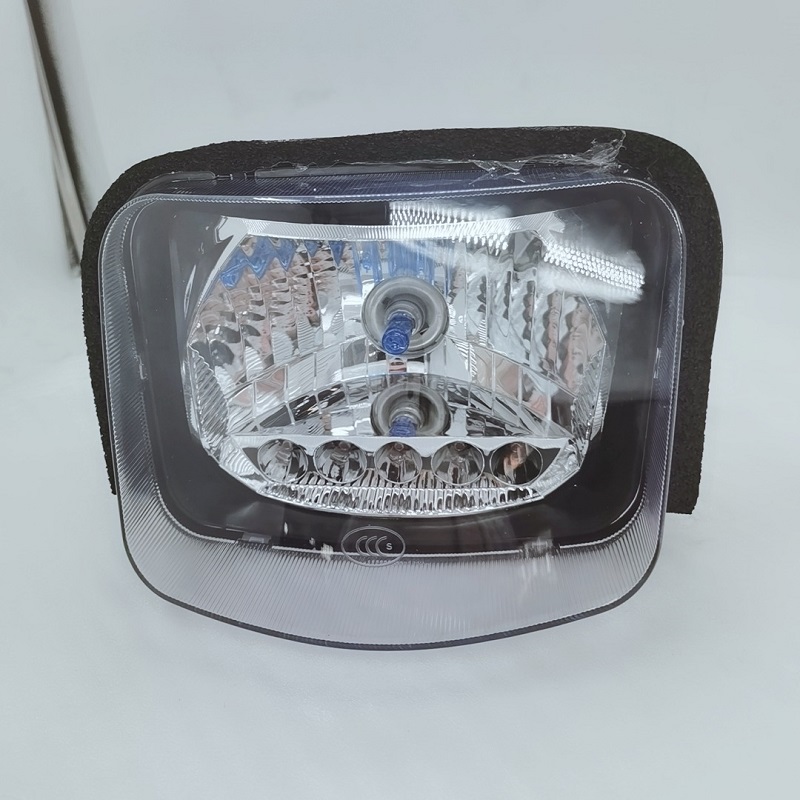
LED headlamps represent a significant upgrade over traditional halogen bulbs. LED technology produces brighter, whiter light that more closely resembles daylight, improving the rider's ability to see hazards and making the tricycle more visible to other road users. LEDs also consume less power—a crucial consideration for tricycles with limited electrical capacity—and last many times longer than conventional bulbs.
LED tail lights and brake lights are equally important. When you apply the brakes, the difference between a dim, slow-to-illuminate incandescent bulb and a bright, instant-response LED can be the difference between a near-miss and a rear-end collision. Many aftermarket LED tail lights also include integrated turn signals, cleaning up the tricycle's rear profile while improving functionality.
For tricycles used in delivery or agricultural applications, consider adding work lights to the cargo area. These auxiliary lights make loading and unloading safer during early morning or evening hours, reducing the risk of injury and damage to goods.
Reflective tape and markers provide passive visibility that works even when electrical systems fail. Apply reflective tape to the rear and sides of cargo boxes, along fenders, and on the back of passenger seats. For tricycles with semi-cab designs, reflective materials on the cab's rear surface significantly improve nighttime visibility.
At www.jinbossmoto.com, our Electric Parts category includes a comprehensive selection of LED lighting components, wiring harnesses, switches, and relays specifically designed for motorized tricycles. Every component is tested for durability and compatibility with common tricycle electrical systems.
Mirrors and Visibility Aids
Factory-installed mirrors on many tricycles are adequate at best. Upgrading to larger, better-positioned mirrors dramatically improves rear and side visibility—particularly important for cargo tricycles where the load may block the rider's direct rear view.
Consider installing convex spot mirrors in addition to standard flat mirrors. These small, curved mirrors attach to the main mirror housing and provide a wider field of view, eliminating blind spots that could hide other vehicles or pedestrians.
For operators of tricycles with roofsheds or enclosed cabins, the roof structure can create additional blind spots. Supplementary mirrors mounted on the front fenders provide a view of the area immediately in front of the front wheels—helpful when maneuvering in tight spaces or around obstacles.
3. Comfort Enhancements for Longer, Safer Rides
Comfort is not merely a luxury for tricycle operators; it is a safety and productivity factor. A rider who is fatigued, sore, or distracted by discomfort cannot maintain the focus required for safe operation—particularly during long delivery routes or extended passenger transport shifts.
Seating Upgrades
The factory seat on most tricycles is designed to meet basic functional requirements at minimum cost. For anyone spending more than an hour at a time on their tricycle, upgrading the seat is one of the most transformative modifications available.
Gel seat cushions distribute the rider's weight more evenly across the seating surface, reducing pressure points that cause numbness and discomfort. Unlike foam cushions that compress permanently over time, gel maintains its supportive properties for years. Many gel cushions feature breathable covers that reduce sweating during hot weather.
Ergonomic backrests provide lumbar support that reduces lower back fatigue—a common complaint among cargo tricycle operators who spend hours leaning forward against the resistance of heavy loads. Adjustable backrests allow riders of different heights and proportions to find their ideal position.
For passenger tricycles, upgrading rear seats with thicker cushions and individual backrests improves the experience for those you transport. Satisfied passengers are more likely to become repeat customers for commercial operators.
Handlebar and Control Adjustments
Factory handlebars position the rider in a compromise posture that may not suit your height, arm length, or riding style. Adjustable handlebars allow you to change the angle and height of the grips, reducing strain on the wrists, shoulders, and neck.
Ergonomic grips with larger diameters and contoured shapes distribute pressure more evenly across the palm, reducing fatigue and improving control. Gel-filled grips absorb vibration that would otherwise travel up the arms and into the spine.
For tricycles with manual transmissions, upgrading the clutch and brake levers to adjustable models allows you to position them closer to the handlebar—a significant benefit for riders with smaller hands who otherwise struggle to reach the levers comfortably.
Suspension Improvements
Many entry-level and mid-range tricycles feature minimal suspension systems, relying primarily on tire sidewall flex and seat cushioning to absorb road irregularities. For operators traveling on rough roads or carrying heavy cargo, upgrading suspension components transforms the riding experience.
Heavy-duty rear shock absorbers are designed to handle the additional weight of cargo loads without bottoming out. These shocks feature stiffer springs and more robust damping circuits that control wheel movement over bumps, keeping the cargo box stable and the ride comfortable.
Front fork upgrades for tricycles with front suspension add damping capability that reduces the jarring effect of potholes and expansion joints. Even relatively inexpensive fork upgrades noticeably reduce hand and arm fatigue on longer journeys.
For tricycles with double rear tires, ensure that any suspension upgrades are compatible with the wider track width. Some heavy-duty shock absorbers are specifically designed for dual-wheel configurations and offer superior load-carrying capability compared to standard units.
Steering dampers represent a more specialized suspension upgrade. These devices resist sudden, unwanted steering movements caused by ruts, potholes, or crosswinds. For tricycles operating at higher speeds or on unpredictable surfaces, a steering damper provides an additional margin of control.
4. Performance Upgrades: Engine, Exhaust, and Drivetrain
For many tricycle owners, performance is the primary motivation for customization. Whether you need more power for climbing hills with heavy cargo, higher top speeds for efficient deliveries, or simply smoother, more responsive operation, targeted engine and drivetrain upgrades deliver tangible results.
Engine Parts and Piston Upgrades
The engine is the heart of any motorized tricycle, and the quality of its internal components directly determines power output, reliability, and fuel efficiency. Upgrading engine parts requires careful attention to compatibility, but the performance gains justify the effort.
Pistons convert the explosive force of combustion into mechanical energy that turns the crankshaft. A high-quality piston with precise tolerances and robust construction improves compression, reduces friction, and withstands higher operating temperatures. For tricycles that work hard—carrying heavy loads, climbing steep grades, or operating in hot climates—upgrading to a premium piston is one of the most effective performance modifications available.
At www.jinbossmoto.com, we offer an extensive range of pistons for popular tricycle engine platforms, including the Piston K166, Piston CG250-B, Piston CB250-B, Piston ZS250, Piston CB250, Piston G200-2, Piston B2-C, Piston CB156, and Piston TG210. Each piston is manufactured to exacting standards, with precise bore diameters, properly positioned wrist pin holes, and durable ring lands that resist wear.
When selecting a replacement or upgrade piston, consider the following factors:
Bore diameter must match your cylinder. Even a 0.5mm difference prevents installation or leads to rapid failure.
Compression ratio affects power output and fuel requirements. Higher compression pistons produce more power but may require higher-octane fuel.
Piston material influences durability. Forged pistons are stronger than cast pistons and better withstand the stresses of high-performance operation.
Ring configuration affects oil control and compression sealing. Premium piston ring sets reduce blow-by and oil consumption.
Cylinder kits combine a new cylinder barrel with a matched piston, rings, wrist pin, and circlips. These kits are ideal for tricycles with worn or damaged cylinders, or for owners seeking to increase engine displacement. A typical upgrade might replace a 150cc cylinder and piston with a 175cc or 200cc kit, providing noticeable increases in torque and horsepower.
Camshaft upgrades alter valve timing to optimize engine breathing at specific RPM ranges. A performance camshaft designed for low-to-mid RPM torque benefits cargo tricycles that operate primarily in stop-and-go conditions, while a camshaft optimized for higher RPMs suits tricycles used for faster road travel.
Carburetor tuning and upgrades ensure that increased airflow from performance pistons and camshafts is matched by appropriate fuel delivery. Larger carburetors, re-jetted standard carburetors, or performance carburetors with adjustable air-fuel mixture screws allow fine-tuning for maximum power and efficiency.
Air Intake Systems
Engines need air to burn fuel, and the easier air can flow into the engine, the more power it can produce. Factory air intake systems prioritize noise reduction and filtration over maximum airflow, creating a restriction that limits performance.
High-flow air filters use advanced filtration media that traps contaminants while allowing substantially more airflow than standard paper filters. Many high-flow filters are washable and reusable, reducing long-term operating costs while improving performance.
Cold air intake systems draw air from outside the engine compartment, where temperatures are lower. Cooler air is denser than warm air, containing more oxygen molecules per cubic foot. This denser charge produces more power when burned with the appropriate amount of fuel.
For tricycles operating in dusty environments—common in agricultural and rural applications—consider cyclone pre-filters that spin incoming air to separate larger dust particles before they reach the main air filter. These devices dramatically extend filter life while maintaining high airflow.
Exhaust System Upgrades
The exhaust system performs three critical functions: routing hot gases away from the rider and cargo, reducing engine noise to acceptable levels, and minimizing flow restriction that robs power. Factory exhaust systems typically emphasize noise reduction and low manufacturing cost, often at the expense of flow efficiency.
Performance exhaust systems use larger-diameter tubing, smoother bends, and higher-flow mufflers to reduce backpressure. When exhaust gases exit more easily, the engine doesn't have to work as hard to push them out, freeing power for acceleration and hill climbing.
Beyond power gains, performance exhausts typically weigh less than factory systems—an important consideration for cargo tricycles where every pound of vehicle weight reduces payload capacity. Many performance exhausts also produce a deeper, more authoritative sound that many owners prefer.
For tricycles with roofsheds or enclosed cargo boxes, exhaust routing requires careful attention. Heat from the exhaust system can damage nearby bodywork or make the cargo area uncomfortably warm. Proper heat shielding—either as part of the exhaust system or added separately—protects surrounding components.
Brake System Upgrades
Any discussion of performance upgrades must address braking. Adding power without corresponding improvements in stopping capability creates a dangerous imbalance.
High-performance brake pads use friction compounds that provide stronger, more consistent stopping power across a wider temperature range. Ceramic and sintered metal pads resist fade during repeated hard braking—common in stop-and-go delivery operations—while providing excellent wet-weather performance.
Drilled or slotted brake rotors improve braking by providing paths for water, dust, and brake pad gases to escape from between the rotor and pad. These features maintain pad-to-rotor contact even in adverse conditions, reducing stopping distances.
Stainless steel braided brake lines replace flexible rubber hoses that expand under pressure. Braided lines transmit hydraulic pressure more directly, resulting in firmer lever feel and more progressive braking control.
For tricycles with double rear tires, verify that brake upgrades are compatible with the wider axle configuration. Some high-performance brake components are specifically designed for dual-wheel tricycles and offer superior heat dissipation compared to standard parts.
Drivetrain and Transmission Components
Power from the engine must travel through the transmission, chain or belt drive, and final drive components before reaching the wheels. Weak links anywhere in this chain waste power and reduce reliability.
Heavy-duty drive chains use larger pins, thicker side plates, and more durable materials to withstand the stresses of high-performance operation. Premium chains also feature better sealing (O-ring or X-ring designs) that retain lubrication and exclude contaminants.
Sprocket upgrades allow fine-tuning of effective gear ratios. A smaller rear sprocket or larger front sprocket increases top speed at the expense of acceleration; the opposite combination improves acceleration for heavy loads or hill climbing at the expense of top speed. For cargo tricycle operators, this tuning capability is invaluable for matching vehicle performance to specific routes and load profiles.
Transmission oil coolers benefit tricycles used in demanding conditions. Maintaining proper transmission fluid temperature extends component life and ensures consistent shifting performance.
5. Aesthetic Customizations: Making Your Tricycle Unique
Beyond the functional benefits of performance and safety upgrades, aesthetic customizations allow tricycle owners to express their personality, build brand identity, or simply take pride in a vehicle that looks as good as it performs.
Custom Paint and Finishes
A professional paint job transforms a utilitarian vehicle into something special. The investment pays dividends in owner satisfaction and, for commercial operators, professional appearance.
Solid color finishes offer the cleanest, most professional appearance. Dark colors hide dirt and minor scratches but absorb heat—a consideration for tricycles operated in hot climates where the cargo area or passenger cabin can become uncomfortably warm. Light colors reflect sunlight, keeping the vehicle cooler, but show dirt and imperfections more readily.
Metallic and pearlescent finishes add depth and complexity to the paint. These finishes contain reflective flakes that catch sunlight, creating a shimmering effect that changes with viewing angle. The additional complexity of these finishes requires more skill to apply and repair but produces stunning results.
Matte finishes have gained popularity for their modern, understated appearance. Unlike glossy paints, matte finishes reflect little light, creating a subdued, stealthy look. However, matte paints require special care—standard waxes and polishes can create unwanted shine or damage the finish.
For commercial operators, branded paint schemes incorporating company colors, logos, and contact information serve as mobile advertising. A professionally painted tricycle draws attention wherever it goes, building brand recognition with every delivery.
Decals, Graphics, and Vinyl Wraps
Vinyl graphics offer several advantages over painted designs. They are less expensive than custom paint, can be removed or changed relatively easily, and protect the underlying paint from minor scratches and UV damage.
Full vehicle wraps cover the tricycle's bodywork with printed vinyl film. Digital printing technology allows virtually any design—photographic images, complex patterns, gradients—to be applied to the vehicle's surface. For businesses, a full wrap transforms a tricycle into a rolling billboard.
Racing stripes add sporty visual interest without overwhelming the vehicle's lines. A single wide stripe or paired narrow stripes running from the front fender to the cargo box creates a dynamic, purposeful appearance.
Reflective graphics serve both aesthetic and safety functions. During daylight, they appear as ordinary colored graphics. At night, when illuminated by headlights, they reflect brightly, dramatically improving the tricycle's visibility.
Chrome and Polished Components
Chrome plating and polished metal finishes add brightness and perceived quality to any tricycle. While chrome requires more maintenance than painted surfaces, the visual impact justifies the effort for many owners.
Chrome handlebars draw the eye to the control center of the tricycle. Complete handlebar assemblies are available pre-chromed, or existing bars can be sent for professional plating.
Chrome mirror housings and stems coordinate with other brightwork, creating a cohesive appearance. Many aftermarket mirrors feature chrome-plated metal construction rather than the painted plastic of factory parts.
Chrome exhaust heat shields protect the rider from burns while adding a bright accent to the tricycle's lower profile. For tricycles with performance exhaust systems, chrome or polished stainless steel mufflers complete the high-end appearance.
Polished aluminum wheels offer an alternative to chrome for owners who prefer a brighter-than-paint but less-flashy-than-chrome appearance. Polished aluminum requires periodic re-polishing to maintain its luster but weighs less than chrome-plated steel.
Wheel and Tire Customization
Wheels and tires dramatically affect both appearance and performance. Upgrading these components often transforms the entire character of the tricycle.
Alloy wheels weigh significantly less than factory steel wheels. This reduced unsprung mass improves suspension response, ride quality, and acceleration. Alloy wheels also dissipate brake heat more effectively, reducing the risk of brake fade during extended downhill sections.
Custom wheel finishes including painted, polished, chrome, or blacked-out options allow coordination with the tricycle's overall color scheme. Two-tone wheels—machined faces with painted pockets—offer particularly sophisticated appearance.
Whitewall tires provide a classic, vintage appearance popular on chopper-style tricycles and passenger vehicles. The white rubber sidewall stands out against dark wheels and fenders, creating a distinctive look that draws attention.
Off-road tires feature aggressive tread patterns that bite into loose surfaces. For agricultural tricycles or vehicles used on unpaved roads, these tires provide the traction necessary to maintain progress in challenging conditions.
At www.jinbossmoto.com, we offer a comprehensive selection of Motorcycle Body Parts and Tricycle Body Parts that serve as the foundation for aesthetic customization. From replacement fenders and side panels to complete body kits, our components are manufactured to precise specifications for straightforward installation.
6. Utility Add-Ons for Commercial and Practical Use
For many tricycle owners, the vehicle is a tool—a means of earning income, transporting goods, or serving the community. Utility add-ons transform standard tricycles into specialized work vehicles.
Cargo Solutions
The cargo-carrying capability of a tricycle is limited only by the owner's imagination and the vehicle's structural capacity. Properly designed cargo solutions maximize usable space while maintaining stability and safety.
Open cargo boxes represent the most common configuration for delivery and agricultural tricycles. Standard dimensions vary by model, but custom boxes can be fabricated to any size that the tricycle's frame and suspension can support. Features to consider include:
Removable side panels allow the box to function as a flatbed for oversized items.
Hinged tailgates simplify loading and unloading while securing cargo during transit.
Tie-down points integrated into the box structure provide anchor locations for straps and ropes.
Weather-resistant coatings protect the box from rust and corrosion.
Enclosed cargo boxes offer security and weather protection for valuable or sensitive goods. Locking doors prevent theft during unattended stops. Weather sealing keeps contents dry during rain. For refrigerated cargo—perishable foods, pharmaceuticals—insulated panels maintain internal temperatures when paired with a suitable cooling system.
Side boxes mounted along the cargo area provide organized storage for tools, spare parts, or smaller delivery items. Unlike the main cargo area, side boxes keep frequently needed items accessible without unloading the primary cargo.
Front baskets mount above or in front of the front wheel, providing convenient storage for personal items, documents, or small packages. Accessible while seated, front baskets suit delivery drivers who need quick access to receipts, change, or the next package.
Passenger Accommodations
Tricycles serve as efficient people-movers in many communities, particularly where roads are narrow or parking is limited. Proper passenger accommodations prioritize safety and comfort.
Rear passenger seats with individual backrests and seat belts accommodate one to three additional riders, depending on tricycle size and local regulations. Padded seats and backrests improve passenger comfort on longer journeys.
Side-facing bench seats maximize passenger capacity in tricycles with wide cargo boxes. These seats face inward, allowing passengers to sit with their backs against the box sides. While less comfortable than forward-facing seats, side-facing benches suit short trips and high-capacity applications.
Handrails and grab handles provide passengers with something to hold during turns and stops. For tricycles without roofsheds, overhead grab handles are particularly valuable.
Child seats with integrated harnesses safely transport young passengers. These seats must be securely mounted to the tricycle structure and positioned to minimize injury risk in the event of sudden stops or minor collisions.
Weather Protection
Exposure to sun, rain, wind, and cold reduces rider and passenger comfort and can damage cargo. Weather protection systems address these challenges.
Windshields deflect air around the rider, reducing fatigue and keeping debris away from the face. Acrylic and polycarbonate windshields offer good optical clarity with impact resistance superior to glass.
Canopies and roofsheds provide shade and rain protection for the rider and passenger area. Fixed roofsheds offer maximum durability, while folding canopies allow the vehicle to fit into lower-clearance garages or shipping containers.
Full cabin enclosures surround the rider with walls, roof, doors, and windows. These enclosures provide complete weather isolation, allowing comfortable operation in rain, snow, or extreme cold. Heated cabins further expand the operating envelope.
Rain covers for open cargo boxes protect contents from moisture. These covers may be simple tarps with tie-downs or custom-fitted vinyl covers with zippered access panels.
Towing and Hauling
For exceptionally large or heavy loads, towing accessories expand the tricycle's capability beyond what the cargo box can carry.
Tow hitches mount to the tricycle frame, providing a standardized attachment point for trailers. Hitches must be rated for the tricycle's towing capacity, which is typically less than the vehicle's gross vehicle weight rating.
Small utility trailers carry bulky items such as furniture, appliances, or landscaping equipment. Single-axle trailers with low profiles track well behind tricycles and are relatively easy to maneuver.
Trailer wiring kits include the necessary electrical components for trailer lights—tail, brake, and turn signals. Proper lighting is required by law in most jurisdictions and essential for safe operation after dark.
7. Technological Enhancements for Modern Riders
Technology transforms the tricycle from a simple mechanical device into a connected, intelligent vehicle. These enhancements improve navigation, entertainment, security, and operational efficiency.
Navigation and Communication Systems
For delivery drivers and fleet operators, knowing where you are and how to reach your destination efficiently translates directly into productivity.
GPS navigation devices designed for motorcycle and tricycle use feature sunlight-readable screens, glove-friendly touch interfaces, and weather-resistant construction. Route planning capabilities optimize delivery sequences, reducing fuel consumption and travel time.
Smartphone mounts with vibration damping protect your phone from damage while keeping navigation apps visible. The best mounts position the phone within the rider's natural field of view, minimizing the need to look away from the road.
Bluetooth communication systems connect riders with dispatch, other drivers, or hands-free phone calls. Helmet-mounted systems with noise-canceling microphones work even in windy conditions.
For fleet operators, GPS tracking devices installed on each tricycle provide real-time location data, route history, and alerts for unauthorized movement. This information improves dispatch efficiency and serves as a theft recovery tool.
Audio Systems
Music and audio entertainment make longer journeys more enjoyable, but safety must always come first.
Handlebar-mounted audio controllers allow volume and track changes without removing hands from the grips. Basic systems control music from a connected smartphone; advanced systems include standalone media players with USB and SD card inputs.
Weatherproof speakers withstand rain, dust, and vibration. Pod-style speakers mount to handlebars or the roofshed structure, projecting sound toward the rider while minimizing noise pollution for others.
Bluetooth helmet speakers integrate into helmet liners, providing personal audio that doesn't disturb passengers or bystanders. Many helmet speaker systems include intercom functionality for rider-to-passenger communication.
For tricycles with roofsheds and cabins, full-range speaker systems with small amplifiers deliver impressive sound quality. The enclosed space contains and enhances audio output, creating an immersive listening environment.
Security Systems
Tricycles represent significant investments that thieves target. Comprehensive security systems deter theft and aid recovery when prevention fails.
Disc locks clamp onto the brake rotor, preventing wheel rotation. Compact and visible, disc locks serve as a strong visual deterrent. Some models include alarms that sound if the tricycle is moved while locked.
Heavy-duty chain locks secure the tricycle to fixed objects such as lampposts, railings, or purpose-installed anchors. A hardened steel chain paired with a high-security padlock resists bolt cutters and saws.
Electronic alarms detect motion, tilt, or attempted hot-wiring. When triggered, the alarm sounds a loud siren and may flash lights. Some systems include pager alerts that notify the owner's key fob or smartphone.
GPS trackers hidden within the tricycle's bodywork broadcast location data that law enforcement can use to recover stolen vehicles. The best trackers include backup batteries that continue operating if the main vehicle battery is disconnected.
Ignition immobilizers prevent engine starting without the correct key or fob. These systems interrupt essential circuits (ignition, fuel pump, starter) until the correct electronic code is received.
Digital Instrumentation
Factory instrument clusters typically include a speedometer, odometer, and warning lights—adequate for basic operation but lacking the information modern riders want.
Digital gauge clusters replace analog instruments with LCD or TFT displays showing a wealth of information:
Digital speedometer with selectable units (mph or km/h)
Tachometer indicating engine RPM
Fuel gauge with low-fuel warning
Coolant temperature display with overheating alert
Voltmeter monitoring charging system health
Clock and trip timers
Gear position indicator for manual transmissions
Service reminders based on mileage or engine hours
Handlebar-mounted USB ports provide convenient device charging. Waterproof ports with rubber covers withstand weather exposure while keeping phones and other devices powered during long shifts.
At www.jinbossmoto.com, our Electric Parts category includes instrumentation, sensors, switches, wiring components, and charging solutions specifically designed for tricycle applications. Each component is tested for the vibration, temperature, and moisture conditions typical of tricycle operation.
8. Specialized Modifications for Unique Applications
Beyond general-purpose upgrades, some tricycle owners require specialized modifications tailored to specific industries or use cases.
Accessibility Modifications
For riders with physical disabilities or reduced mobility, tricycles can provide independence and transportation freedom. Accessibility modifications make this possible.
Hand controls replace standard foot-operated pedals with hand levers. A typical system includes a brake lever operating both front and rear brakes, and a throttle control (twist or thumb) mounted on the handlebar. For manual transmission tricycles, a clutch lever and shift paddle complete the control set.
Swing-away seats rotate outward and lock in position, providing easier access for riders who cannot lift their legs over a standard seat. Once seated, the rider swings the seat back to the forward-facing position.
Transfer aids including grab handles, transfer boards, and strategically placed handholds assist riders moving from wheelchairs or mobility devices to the tricycle seat.
Wheelchair carriers transport mobility devices on the tricycle's cargo deck. These carriers include ramps or lifts for loading, and secure tie-downs to prevent movement during transit.
Stabilizer wheels provide additional support for riders with balance concerns. These small, retractable wheels deploy at low speeds or when stopped, preventing tip-overs, and retract during normal operation.
Off-Road and Agricultural Modifications
Tricycles operating on farms, in orchards, or on rural roads face challenges different from urban delivery vehicles.
Knobby tires with deep, widely spaced tread lugs bite into loose surfaces including dirt, mud, sand, and grass. These tires provide traction where standard street tires would spin helplessly.
Skid plates protect the engine, transmission, and other vulnerable underside components from rocks, stumps, and other off-road hazards. Heavy-gauge steel or aluminum plates bolt to the frame, deflecting obstacles before they can cause damage.
Raised suspension increases ground clearance, allowing the tricycle to roll over obstacles that would high-center a standard vehicle. Lift kits typically include longer springs or shock absorbers and modified mounting brackets.
Brush guards protect the front of the tricycle—headlights, grille, bodywork—from branches and tall grass. Tubular steel guards wrap around the front end, deflecting vegetation before it contacts painted or plastic components.
For agricultural tricycles used for tasks beyond transportation, consider power take-off (PTO) adapters that connect the engine to equipment such as sprayers, spreaders, or small implements.
Commercial Modifications for Specific Industries
Certain industries require tricycle modifications far beyond standard accessories.
Refrigerated cargo boxes incorporate insulation, vapor barriers, and compressor-based cooling systems. These boxes maintain temperatures below ambient, preserving perishable goods during delivery. Common applications include ice cream vending, fresh seafood delivery, and pharmaceutical transport.
Mobile vending setups transform tricycles into rolling shops. Features include counters, display cases, awnings, and integrated point-of-sale equipment. Popular vending tricycles sell coffee, ice cream, snacks, and merchandise at events and high-traffic locations.
Waste collection configurations include tipping cargo boxes, side-loading bins, and odor-resistant liners. Municipalities and private contractors use these tricycles for neighborhood waste collection in narrow streets inaccessible to full-sized trucks.
Mobile advertising tricycles carry large-format signs, digital displays, or interactive kiosks through high-traffic areas. These vehicles serve as moving billboards, drawing attention to promotions, events, or political campaigns.
For tricycles with semi-cab designs, commercial modifications often focus on the cargo area rather than the driver's compartment. The semi-cab provides some weather protection for the operator while leaving the cargo area accessible for loading and unloading.
9. Tricycle Body Parts: Replacement and Upgrade Guide
Understanding Tricycle Body Parts is essential for both repair and customization. Whether replacing damaged components or upgrading for improved function and appearance, knowing what parts are available and how they fit together simplifies the process.
Major Body Components
The frame serves as the structural backbone of the tricycle. All other components—engine, suspension, wheels, bodywork, cargo box—attach to the frame. Frame damage is serious business; repair requires specialized equipment and expertise. Replacement frames are available for most popular tricycle models, though installing one essentially means rebuilding the entire vehicle.
Fenders protect riders, passengers, and cargo from water, mud, and debris thrown up by the wheels. Front fenders mount close to the tire, following its curvature. Rear fenders are larger, extending further around the wheel's circumference. Chrome fenders add visual interest; painted fenders can match or contrast with the main body color.
Floor pans form the base of the passenger or cargo area. On cargo tricycles, the floor pan must withstand the weight and abrasion of loaded goods. Diamond plate steel offers excellent durability; marine-grade plywood with a non-slip coating provides a lighter alternative.
Side panels and body skins enclose the mechanical components and define the tricycle's visual profile. On motorized tricycles, side panels may incorporate vents for engine cooling. Replacement panels are available pre-painted or unpainted for custom finishing.
Roofsheds and canopies protect riders from sun and rain. Standard roofsheds are simple metal or fiberglass shells mounted on supports. Upgraded versions may include insulation, interior lighting, and sunroofs.
Motorcycle Body Parts Compatibility
Many Motorcycle Body Parts share designs across two-wheeled motorcycles and three-wheeled tricycles. This compatibility expands the range of available customization options.
Headlight assemblies from popular motorcycle models often fit tricycles with standard fork tube diameters. Upgrading to a projector beam or LED headlight improves nighttime visibility dramatically.
Mirror assemblies thread into standard handlebar mounts. Long-stem mirrors provide better rear visibility when the rider's shoulders or cargo block the view of shorter mirrors.
Handlebars and grips directly interchange between motorcycles and tricycles with compatible handlebar diameters. Wide, tall handlebars offer a relaxed, chopper-style riding position; narrow, low handlebars suit aggressive, sporty riding.
Instrument clusters require compatible sensors and electrical systems. Universal digital gauge clusters work with most tricycle engines by programming settings for number of cylinders, ignition type, and sensor ranges.
Seat assemblies may require custom brackets to fit tricycle frames, but the seats themselves are often standard motorcycle units. Gel seats, tractor-style sprung seats, and low-profile racing seats all have tricycle applications.
Sourcing Quality Replacement Parts
When replacing Tricycle Body Parts or Motorcycle Body Parts, quality matters. Poorly manufactured parts may not fit correctly, may fail prematurely, or may not provide the protection that the original components offered.
At www.jinbossmoto.com, we maintain comprehensive catalogs of body parts for popular tricycle models. Each part is manufactured to original equipment specifications, ensuring proper fit and function. Our inventory includes:
Complete body panels and individual sections
Fenders for front and rear wheels
Floor pans and cargo box components
Windscreens and roofsheds
Light assemblies and housings
Mirror assemblies
Seat frames and cushions
Trim pieces and hardware
For parts not stocked, our sourcing team can locate components from our network of manufacturing partners. We understand that downtime costs money; we prioritize rapid fulfillment of urgent orders.
10. Maintenance Practices That Extend Component Life
Customization and upgrades deliver maximum value only when the underlying vehicle is properly maintained. Regular maintenance prevents small problems from becoming expensive failures.
Daily and Pre-Ride Checks
Before operating any tricycle—especially one used commercially—perform a brief but thorough inspection:
Tire pressure affects handling, stability, and tire life. Check cold pressures against manufacturer recommendations. For tricycles with double rear tires, verify that both tires share similar pressures to prevent uneven wear and handling issues.
Fluid levels including engine oil, coolant (for water-cooled models), and brake fluid. Low oil leads to engine seizure; low brake fluid indicates pad wear or system leaks.
Lights and signals including headlamp (high and low beams), tail light, brake light, and turn signals. Carry spare bulbs for common types.
Brake function by rolling forward and applying each brake independently. The brake lever or pedal should feel firm, not spongy, and should bring the tricycle to a smooth stop without pulling to one side.
Chain or belt condition and tension. A dry, rusty, or loose drive chain can snap under load, leaving the tricycle immobile.
Fasteners by visually inspecting for missing or loose bolts, particularly on cargo boxes, fenders, and body panels. Vibration loosens fasteners over time.
Scheduled Maintenance Intervals
Different components require attention at different intervals. Following manufacturer recommendations—or more frequent intervals for heavily used commercial tricycles—prevents unexpected failures.
Engine oil and filter changes are the single most important maintenance task. Oil lubricates moving parts, carries away heat, and suspends contaminants until the filter captures them. Change intervals vary by engine type and operating conditions, but every 1,000 to 2,000 kilometers (600 to 1,200 miles) is typical for air-cooled tricycle engines used commercially.
Air filter cleaning or replacement prevents dirt from entering the engine. In dusty environments—common in agricultural tricycles—filters may need weekly attention. In cleaner conditions, monthly inspection suffices.
Spark plugs should be inspected and gap-checked every 3,000 to 5,000 kilometers (1,800 to 3,000 miles). Worn or fouled plugs cause hard starting, poor fuel economy, and reduced power.
Valve clearance adjustment ensures proper valve timing and prevents valve burning. Most tricycle engines require valve checks every 5,000 to 10,000 kilometers (3,000 to 6,000 miles).
Brake pads wear gradually. Replace pads when friction material thickness approaches the wear indicator or when braking performance noticeably declines.
Tires should be replaced when tread depth falls below 1.6mm (2/32 inch) or when visible damage—cracks, bulges, embedded debris—appears.
Professional Servicing
While many owners can perform basic maintenance, certain tasks require professional expertise:
Engine overhaul including piston replacement (e.g., Piston CG250-B or Piston CB250) requires specialized tools, clean workspace, and mechanical skill. Improper assembly leads to rapid engine failure.
Electrical system diagnosis benefits from experience and diagnostic equipment. Intermittent electrical faults frustrate even experienced DIY mechanics.
Frame alignment after accidents requires measuring equipment and jigs not found in most home workshops.
Suspension rebuilding for oil-damped components requires proper seals, fluid, and assembly techniques.
At www.jinbossmoto.com, we support both DIY owners and professional mechanics with detailed product specifications, installation guidance, and responsive customer service. Our parts are selected for ease of installation and reliable performance.
11. Safety Considerations for Customized Tricycles
As you add accessories and modifications to your tricycle, safety must remain the highest priority. Well-intentioned customizations can create hazards if improperly designed or installed.
Weight Distribution and Vehicle Dynamics
Adding accessories changes the tricycle's weight distribution, which affects handling, braking, and stability.
Front-heavy configurations occur when heavy accessories (large batteries, tool boxes, reinforced cargo boxes) are mounted forward of the front wheel's contact patch. Excessive front weight makes steering heavy and can cause the front wheel to wash out in corners.
Rear-heavy configurations are more common, as most cargo tricycles carry their payload behind the rear axle. Moderate rear weight improves traction under acceleration but excessive rear weight lightens the front wheel, reducing steering control and braking effectiveness.
High-mounted accessories such as heavy roofsheds, roof racks, or overhead cargo raise the center of gravity. A higher center of gravity increases the risk of tip-over during sharp turns or evasive maneuvers.
Asymmetric loads (heavier on one side than the other) cause the tricycle to lean to one side, requiring constant steering correction and accelerating tire wear.
When adding significant weight—a full enclosure, a large battery pack for an electric conversion, heavy-duty cargo box—calculate the effect on the center of gravity and adjust spring rates or tire pressures accordingly.
Visibility Considerations
Safety depends on seeing and being seen. Modifications that compromise either capability increase accident risk.
Forward visibility through windshields must remain unobstructed. Decals, stickers, or accessories mounted on the inside of the windshield should stay below the rider's line of sight. Tinted windshields reduce glare but also reduce light transmission; excessively dark tints are dangerous at night.
Mirror view should not be blocked by new accessories. Wide cargo boxes, passenger seats, or enclosure walls may require extended mirror arms or supplementary mirrors to restore rear visibility.
Light visibility from other road users requires unobstructed light beams. Cargo loads that extend past the rear of the vehicle must not block the tail light or turn signals.
Reflector placement is often regulated by law. Most jurisdictions require front (white), side (amber), and rear (red) reflectors. Modifications must not remove required reflectors.
Mechanical Integrity
Customizations must not compromise the tricycle's structural integrity.
Overloading beyond the tricycle's gross vehicle weight rating (GVWR) stresses the frame, suspension, brakes, and tires. The cumulative weight of accessories plus cargo plus passengers plus vehicle itself must stay within the manufacturer's limit.
Drilling and welding modifications to the frame can create stress risers—points where stress concentrates, leading to cracks and eventual failure. When modifying frames, reinforce cut or drilled areas and avoid welding near heat-sensitive components.
Fastener quality matters. Use grade 8.8 or higher bolts for structural attachments. Nylon lock nuts or thread-locking compound prevents loosening from vibration.
Regular inspection of custom work is essential. Check mounting brackets, welds, and fasteners periodically for signs of fatigue or loosening.
Legal Compliance
Customizations must comply with applicable laws, which vary by jurisdiction.
Lighting regulations typically specify allowed colors (white or amber forward, red rear), minimum brightness, and placement heights. Flashing lights (except turn signals) are often prohibited.
Noise regulations limit exhaust sound levels. Performance exhaust systems that exceed local limits can result in fines and failed vehicle inspections.
Passenger accommodations for hire require compliance with transportation regulations, including seat belts, passenger limits, and insurance requirements.
Cargo dimensions may be restricted. Many jurisdictions limit vehicle width (typically 1.5 to 2 meters, 5 to 6.5 feet), height, and rear overhang.
Before undertaking major customizations, research local regulations. Your tricycle supplier—such as www.jinbossmoto.com—can often provide guidance based on experience with customers in your region.
Conclusion
The world of tricycle accessories and customization options is vast and varied, offering something for every owner, operator, and enthusiast. From essential safety upgrades that protect lives to performance modifications that transform capabilities, from aesthetic personalization that expresses individuality to commercial utility additions that generate income, the right accessories turn a standard tricycle into something extraordinary.
Throughout this guide, we've explored the full spectrum of tricycle customization—lighting systems that make you visible, seating upgrades that reduce fatigue, engine parts (including our extensive piston range) that deliver reliable power, body components that refresh appearance, and technological enhancements that connect you to the modern world.
Whether you're a fleet manager equipping dozens of delivery tricycles, a small business owner customizing a single vehicle for a specialized application, or an individual rider seeking to personalize your daily transportation, Chongqing Jinboss Import & Export Co., Ltd.stands ready to support your project. Our comprehensive catalog of Engine Parts, Electric Parts, Motorcycle Body Parts, Tricycle Body Parts, and Other Accessories represents years of experience serving the global tricycle community.
We invite you to explore our product offerings, contact our knowledgeable team with your questions, and discover how the right accessories can transform your tricycle from transportation into a trusted partner in work and play. The journey of customization never truly ends—there's always another upgrade to consider, another accessory to install, another improvement to enjoy. We look forward to being part of your journey.


